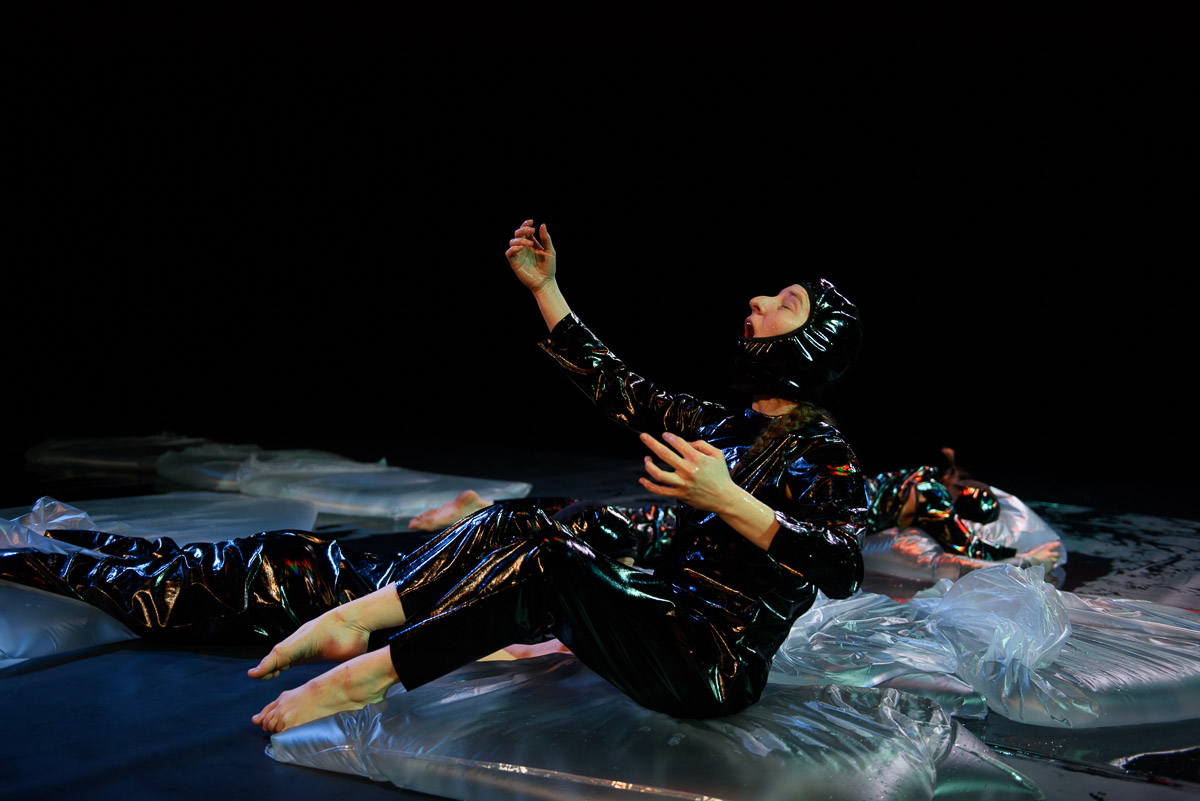
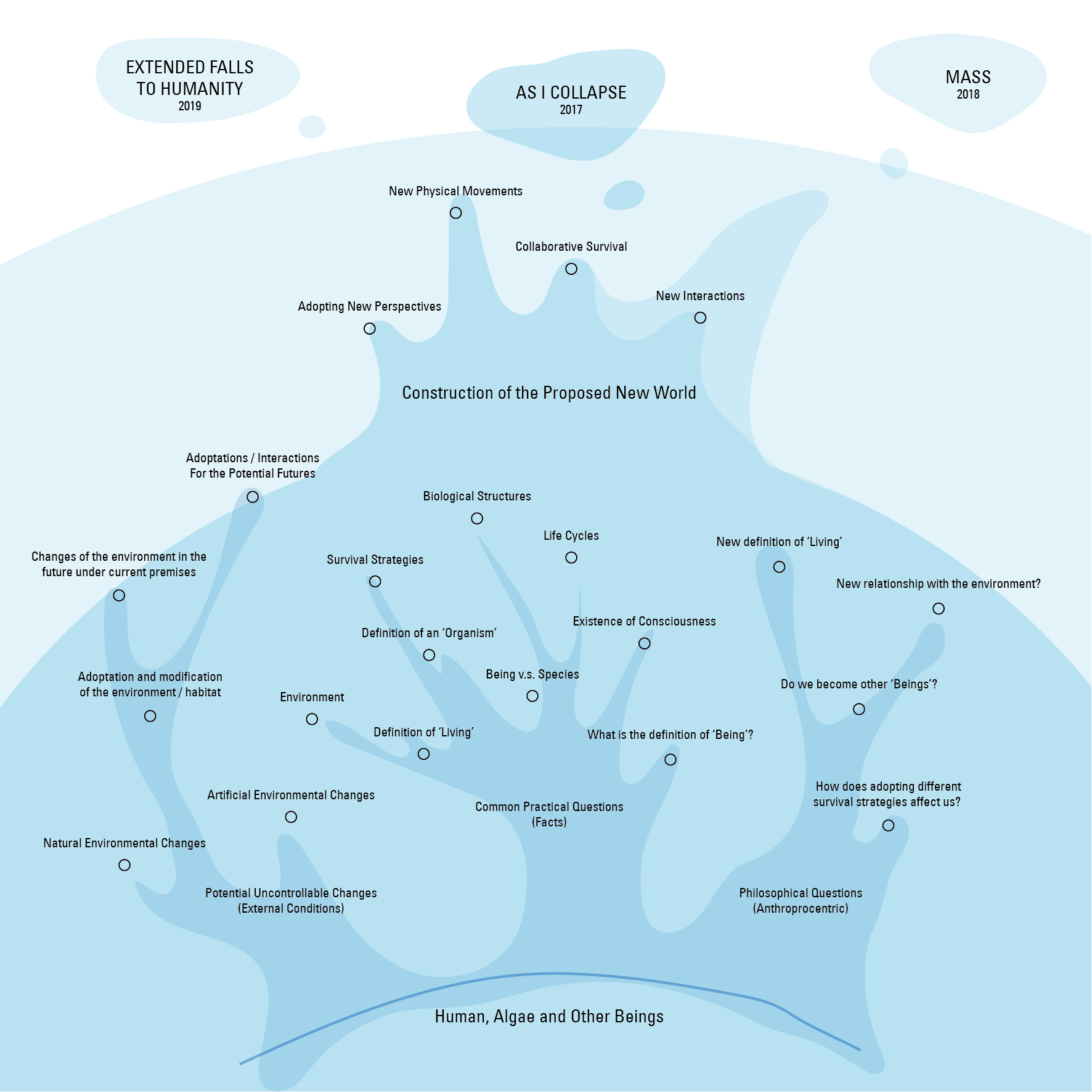
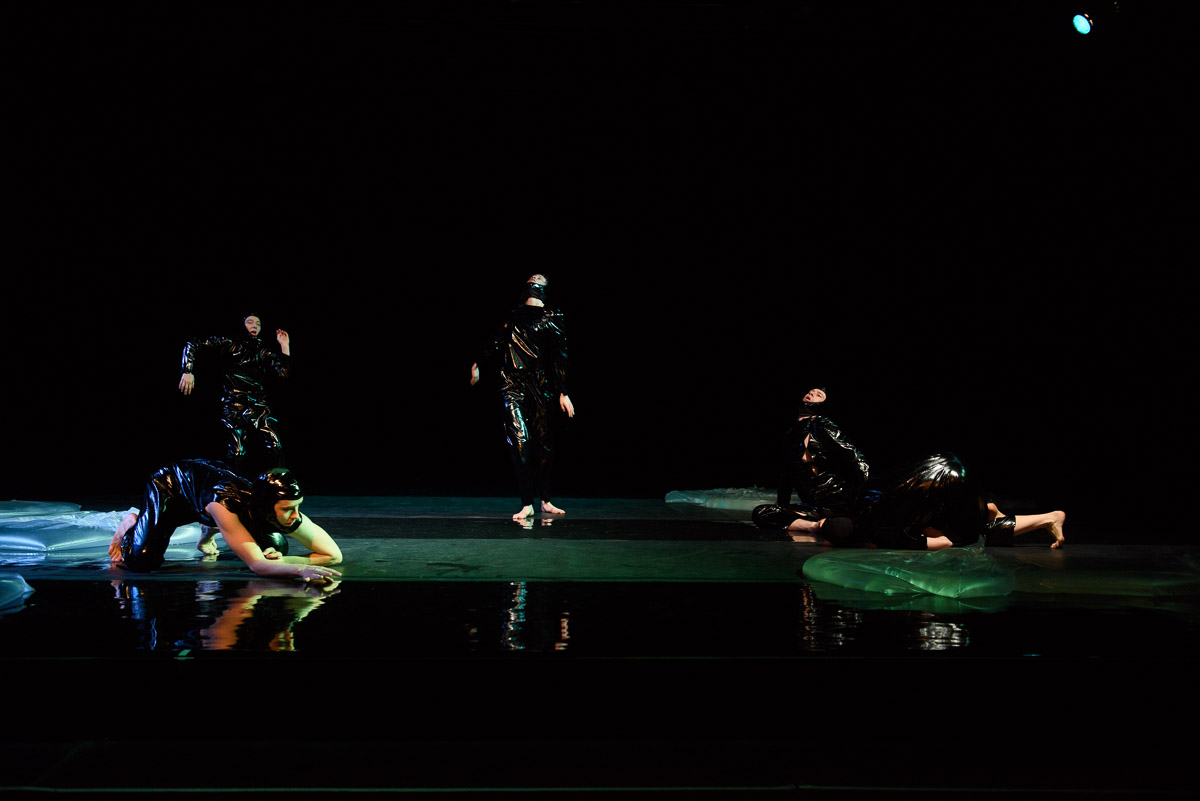
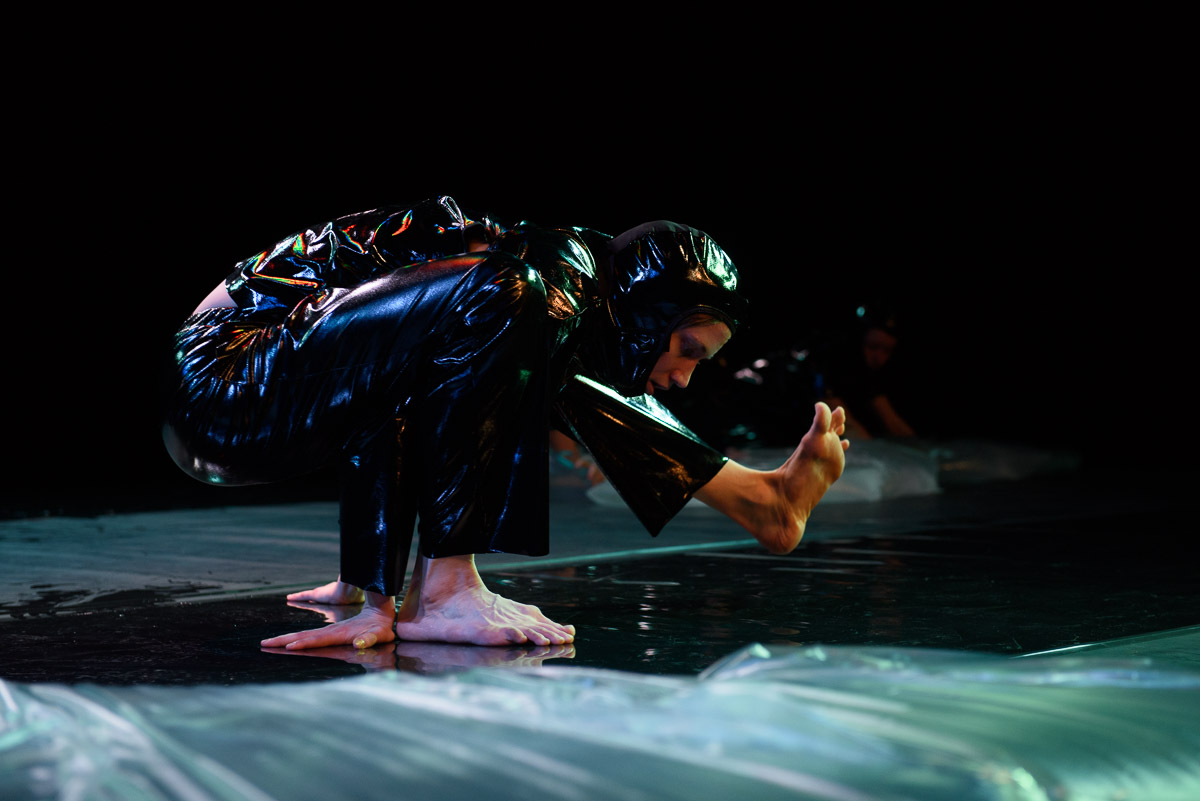
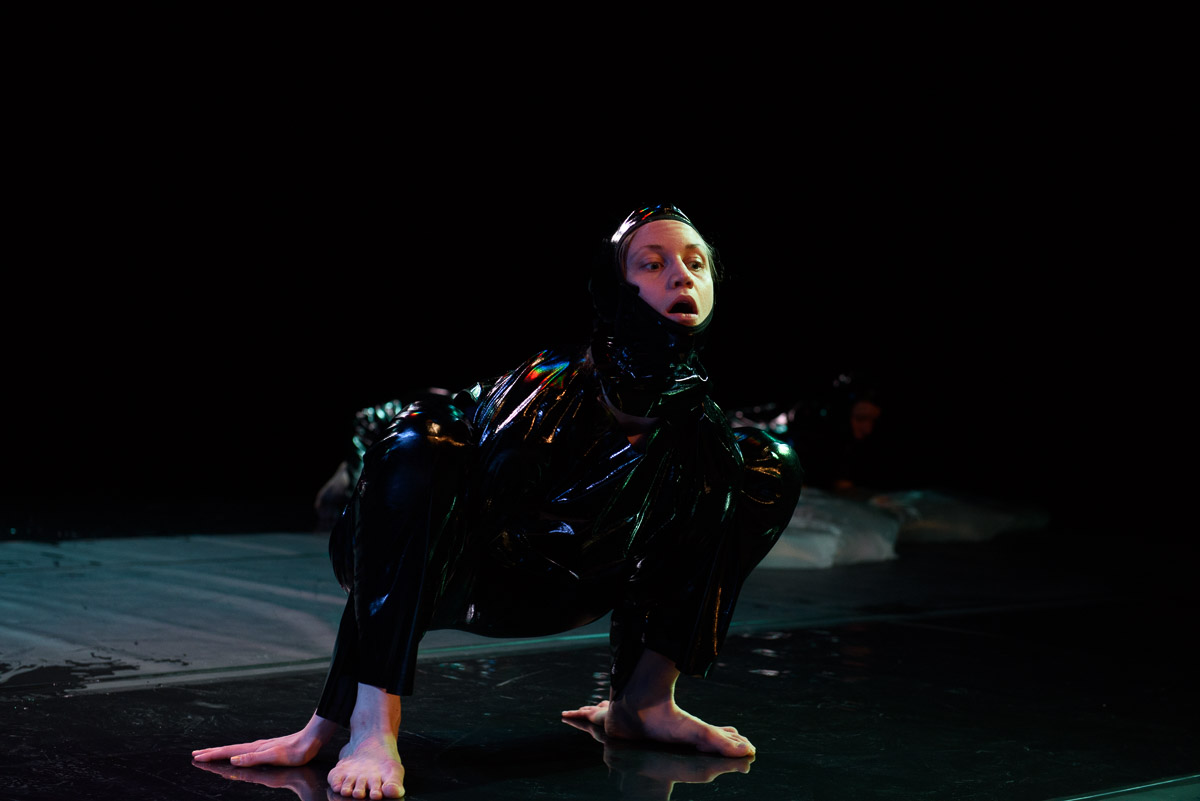
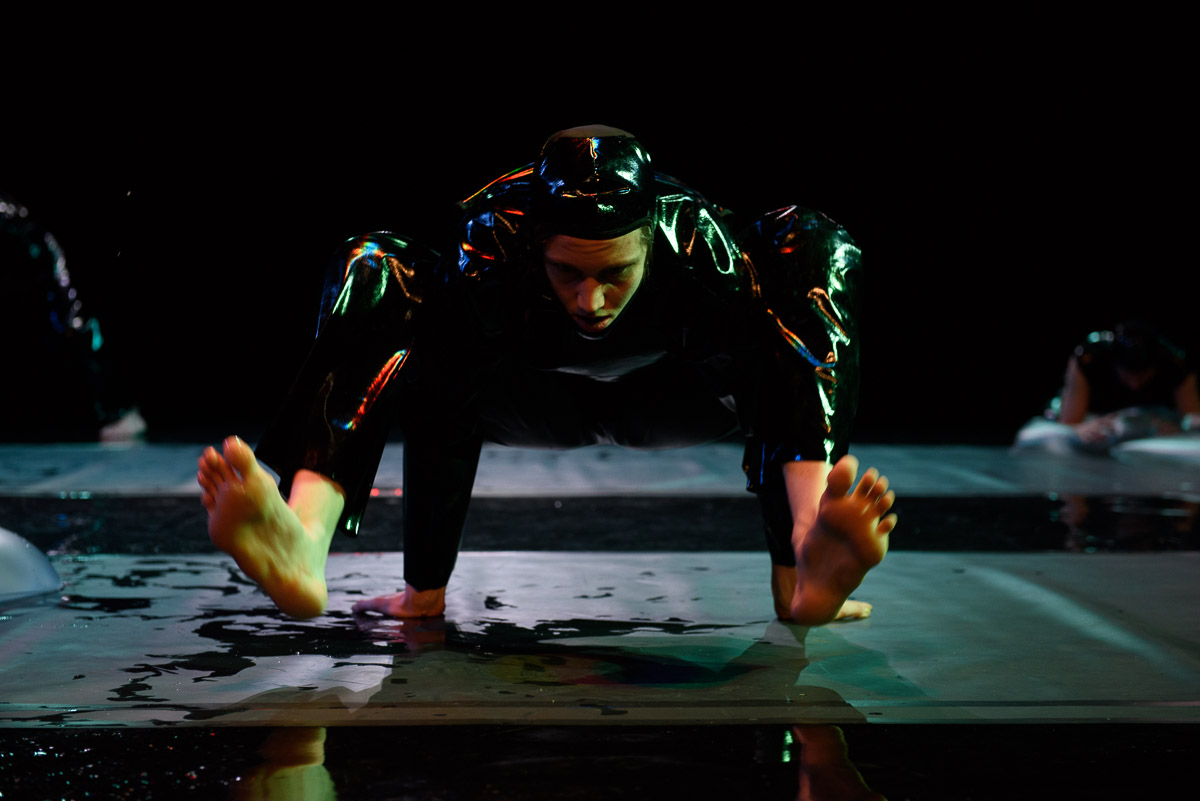
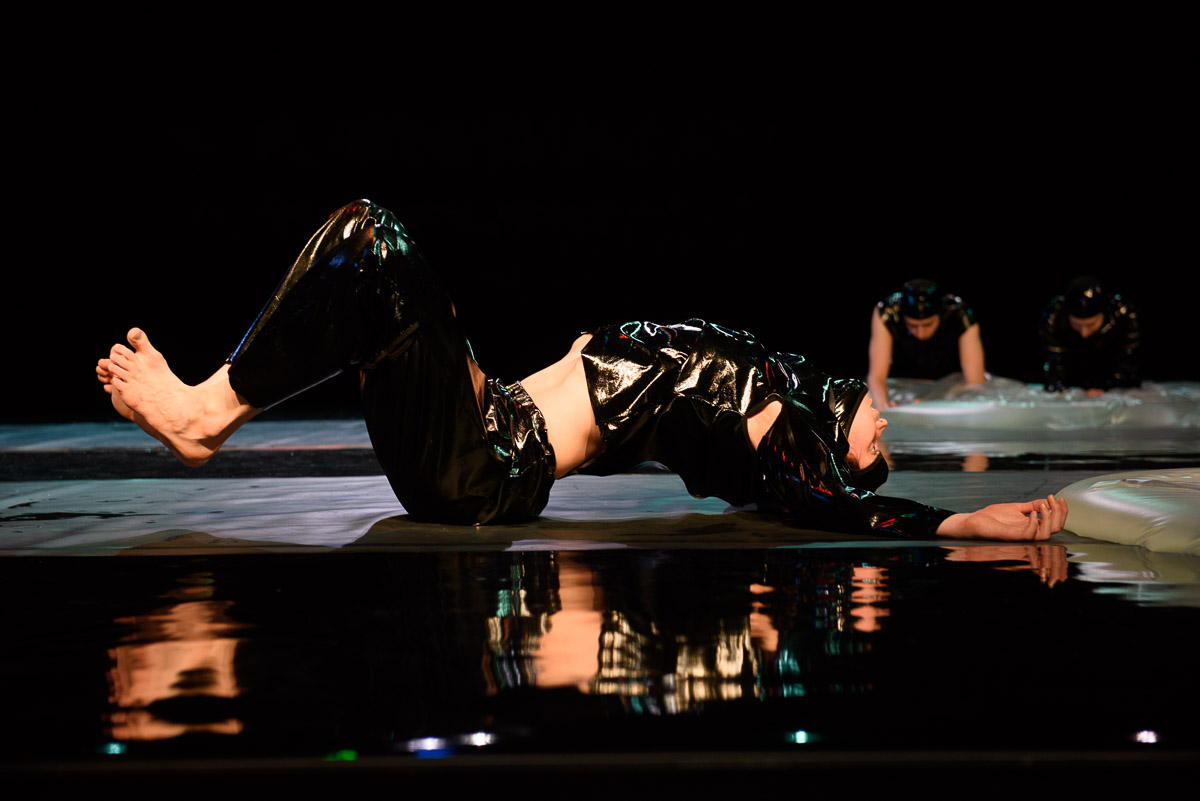
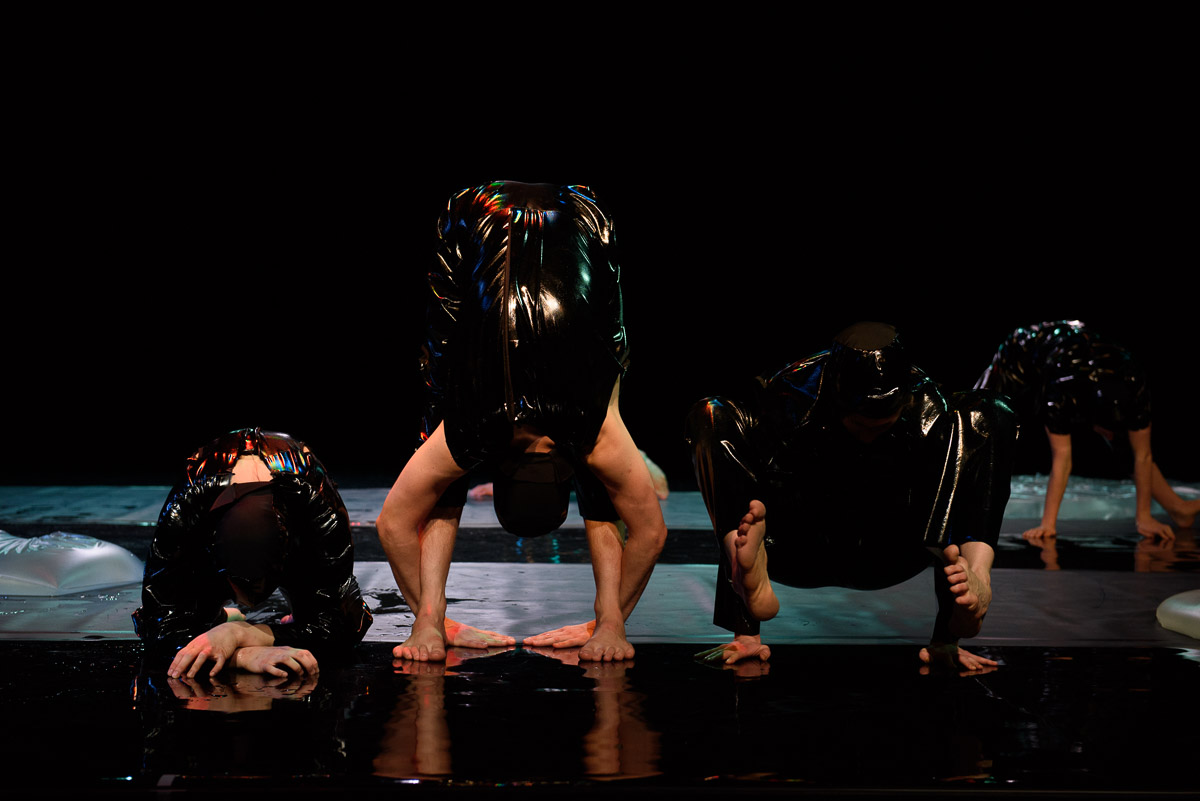
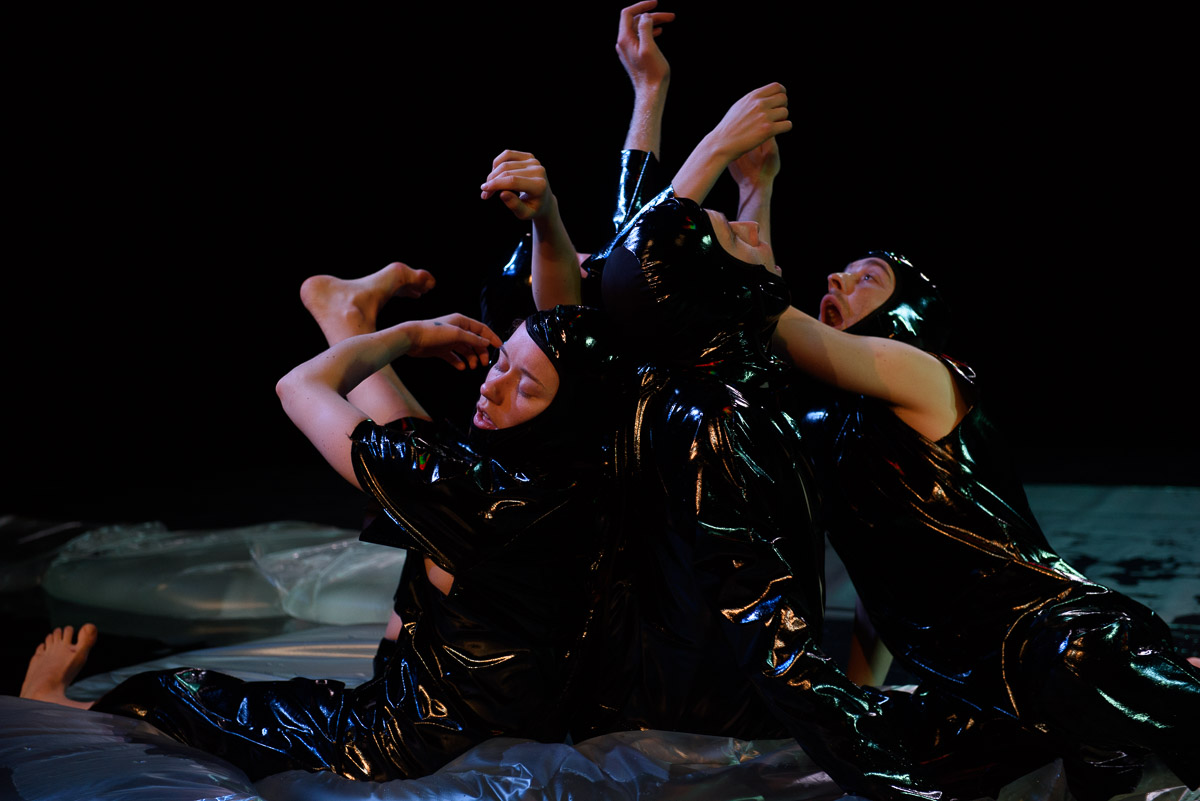
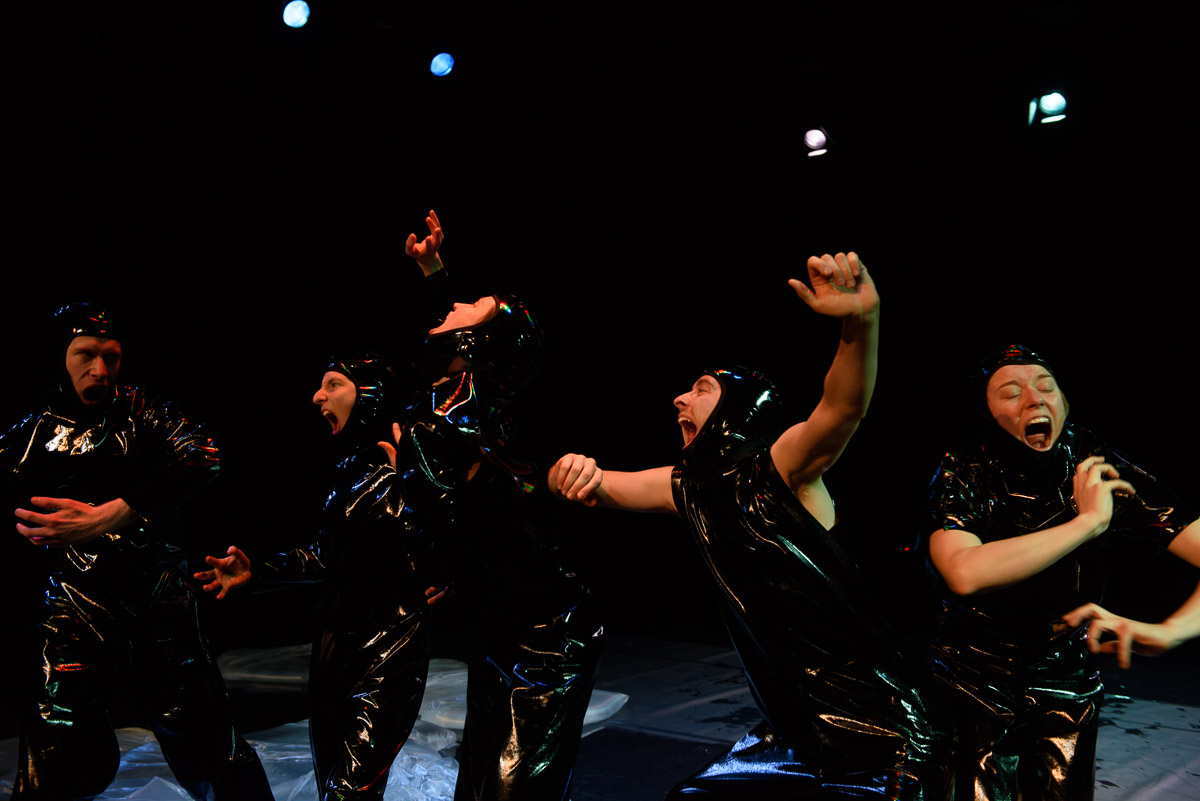
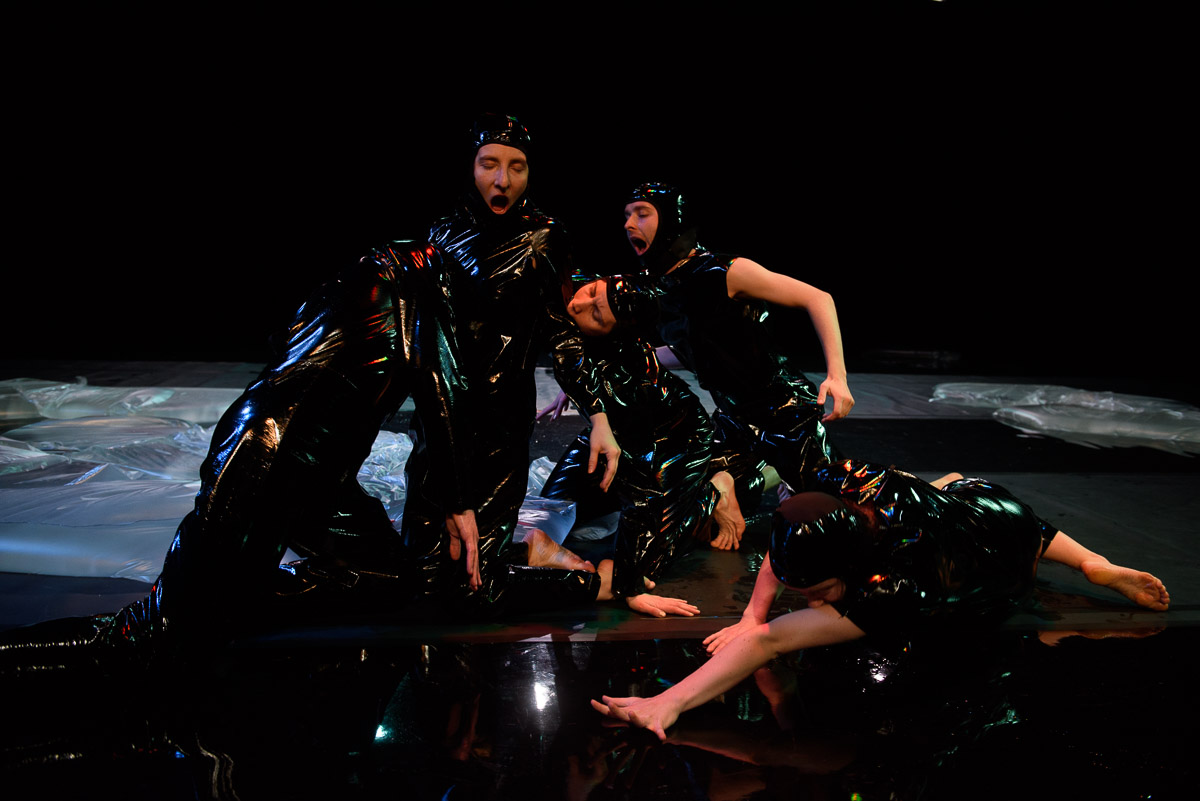
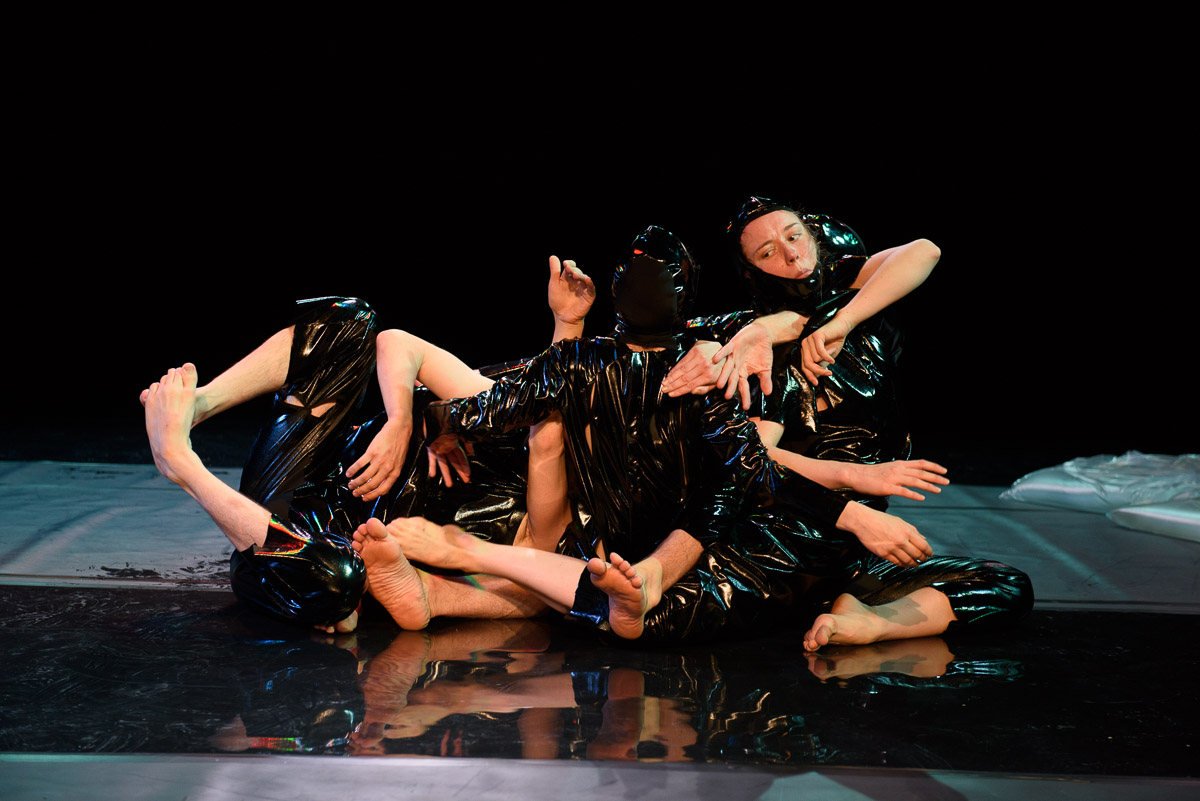
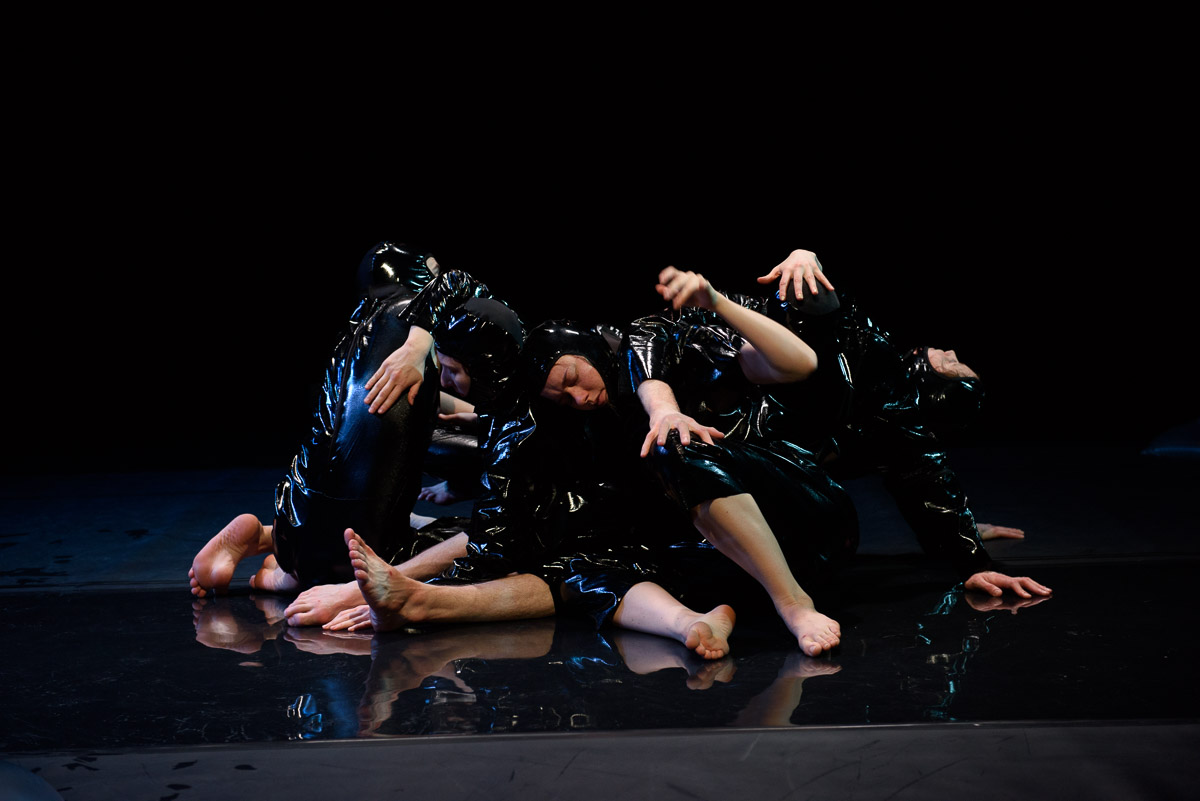
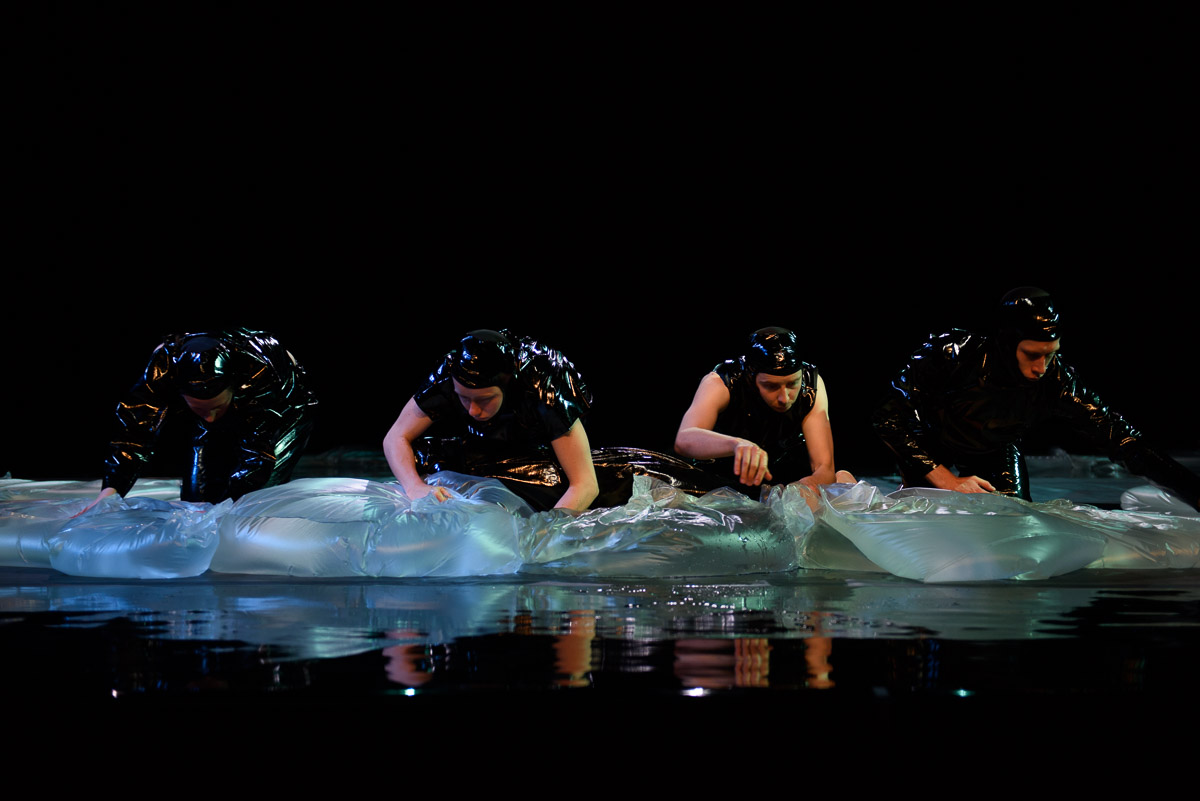
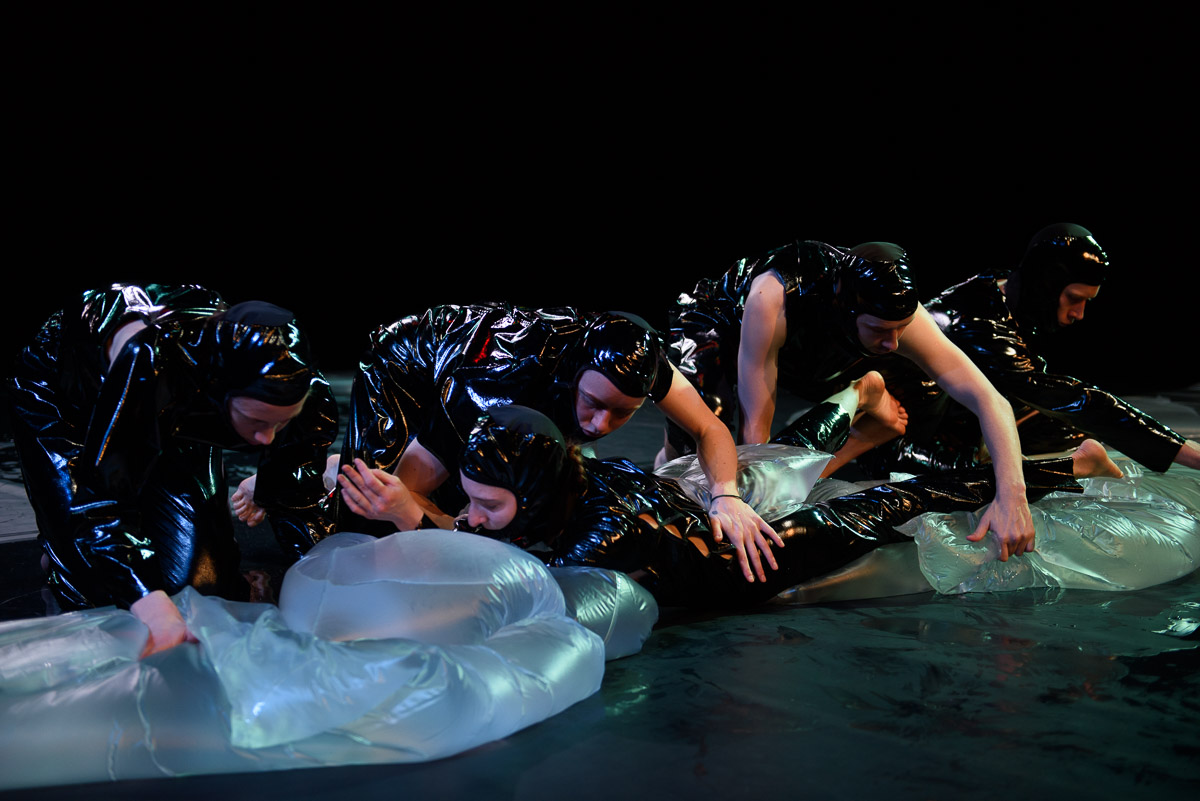
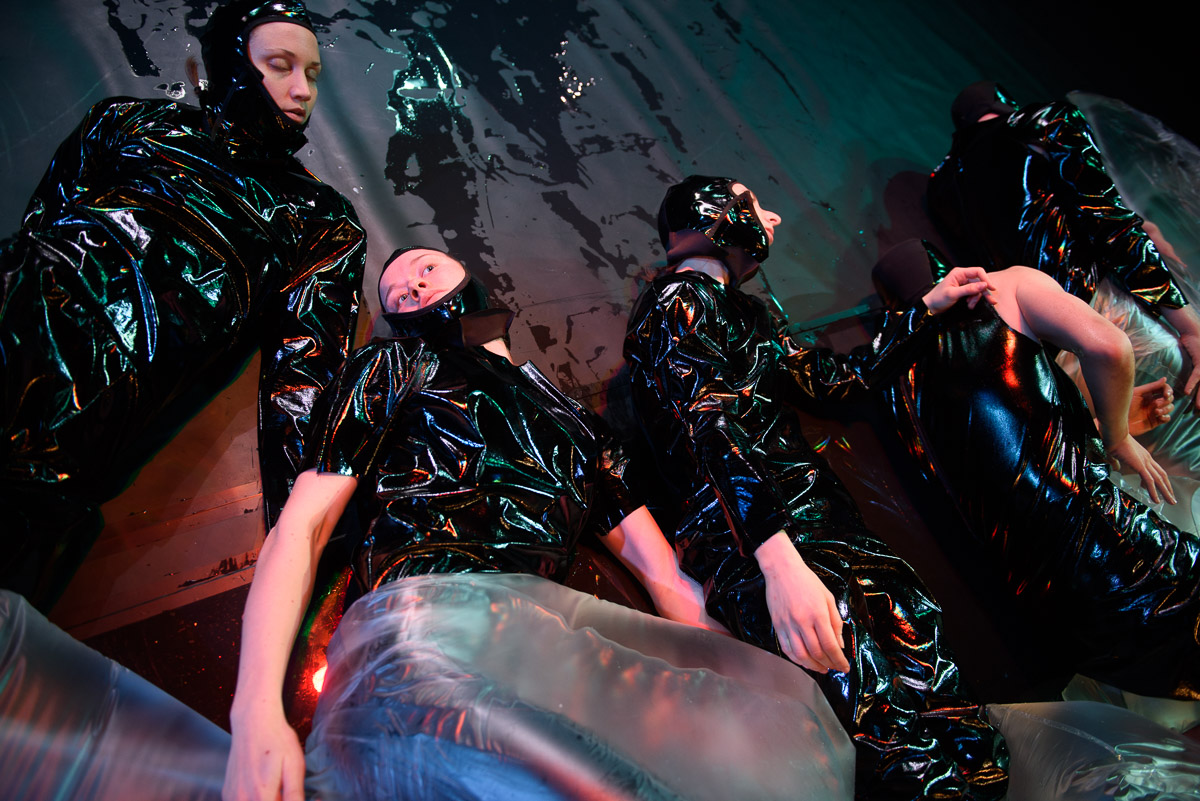
Welcome to the site of alternative research into the biological world for the non-scientific trajectory. It is a collection of questions, explorations, and thought experiments related with the dance performance As I Collapse. They are fragments of open-ended probes for the mind and the future. And you are welcome to join us.
If you would like to join, for those who have a large brain capacity you can do it within your brain, if your brain has not much computing capacity left like mine, please take out a piece of paper and a pencil and follow the instructions.
Read the contents of each title before you really decide where to put the bullet and write down your answers.
What does ‘Living’ Means?
Choose the ‘living beings’ from the following list:
human, pig, Neanderthals, butterflies, rocks, volcanoes, viruses, bacteria, Voldemort, slime moulds, whales, ants, earth, the Whanganui River.
The idea of ‘living’ has very different definitions within different realms. ‘Living’ in the biological terms, has a very specific definition: biological entities that are able to replicate themselves and transmitting information are living. Those that lack the components to replicate themselves are consider non-living, for example viruses and prions.
Please name a being, and a ‘non-being’.
When we talk about algae and human, we can easily use ‘beings’ to describe both parties. However, the word ‘being’ has much deeper meaning. According to the definition of Oxford Dictionary, ‘Being’ has the meaning of 1) Existence, 2) The nature or essence of a person, 3) A real or imaginary living creature or entity, especially an intelligent one.
If we re-exam the concept of living algae and human in our mind with the definition of ‘Being’, an interesting perspective will emerge. What common do we share with each other?
Is there an overlap between the two phrases?
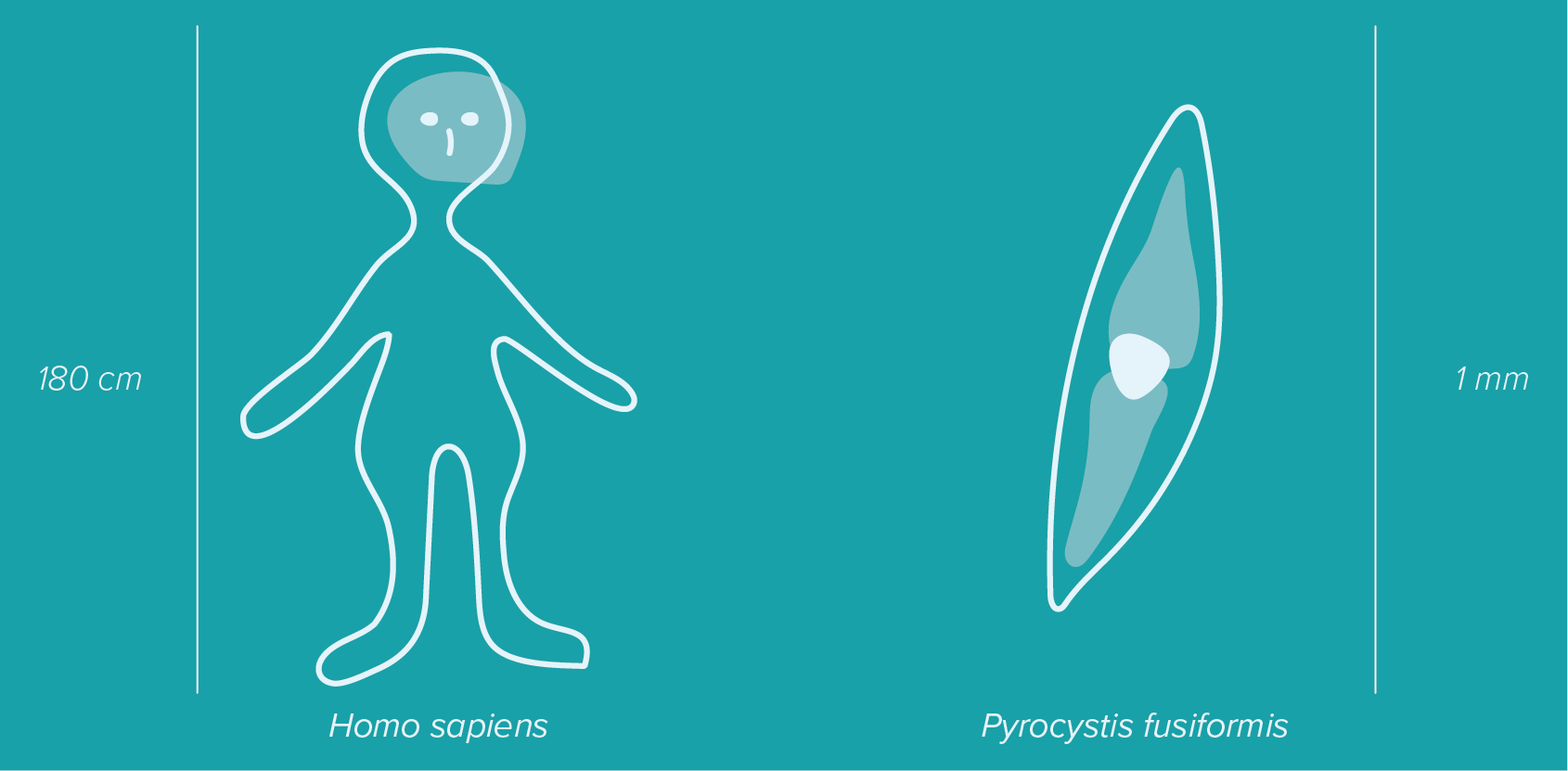
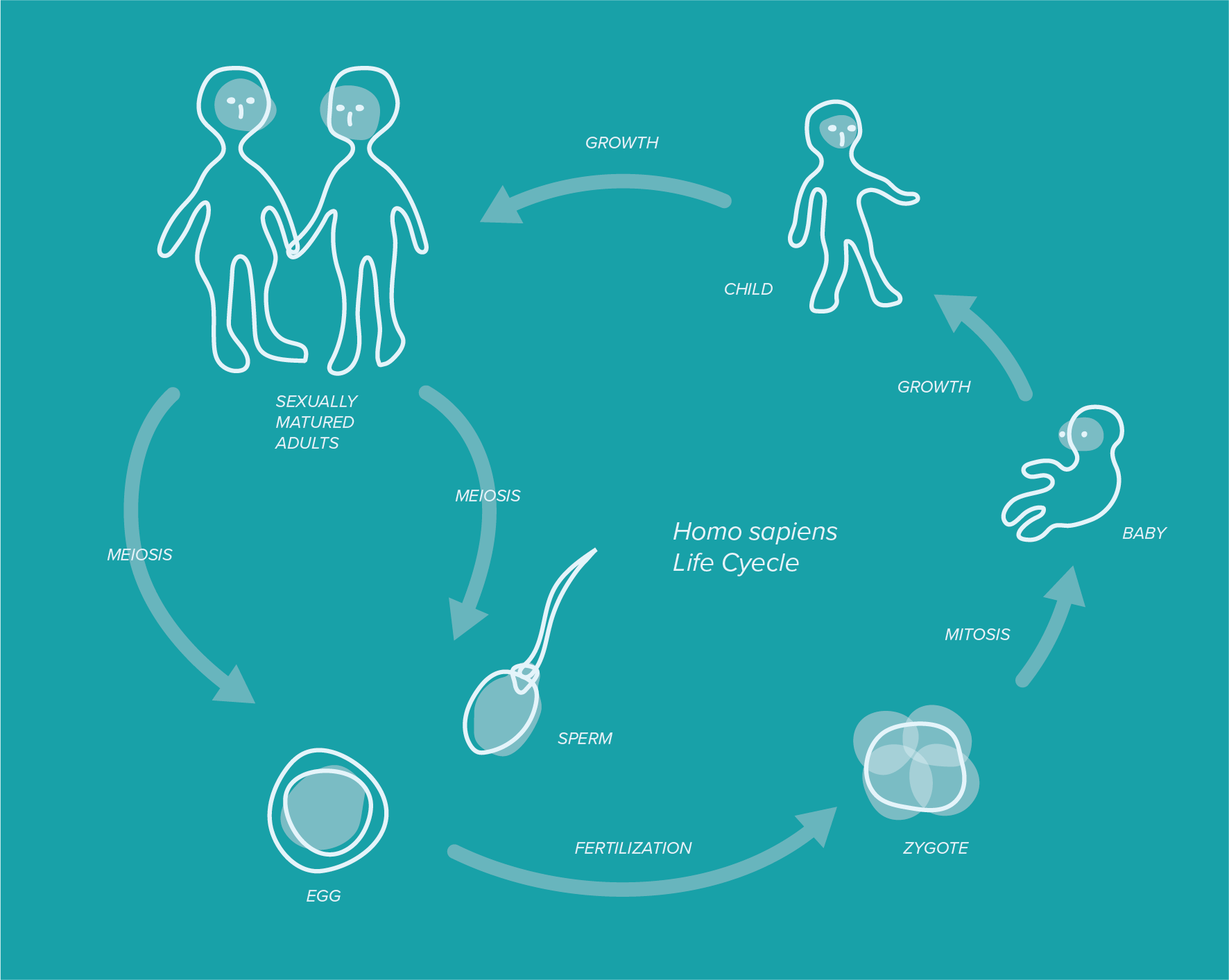
Species is a collective of genetically related individuals. In dictionary, species is ‘a group of living organisms consisting of similar individuals capable of exchanging genes or interbreeding. The species is the principal natural taxonomic unit, ranking below a genus and denoted by a Latin binomial, e.g. Homo sapiens.’
Homo sapiens is a species.
Pyrocystis fusiformis is also a species.
Is conscious important?
Who has conscious? As far as the current science knows, consciousness emerge from the complex neural network which forms a collection* called ‘brain’. Brain is where the conscious is.
However, single cell living creatures such as algae can sense the environment and react to the stimuli accordingly. Do they feel? Do they have a conscious? If we push this to a further extend, how do you define conscious?
Descartes says ‘I think, therefore I am’. But what does ‘thinking’ mean? Neurons? Nervous system? Suppose there is a very simple neural circuit that only react according to one stimuli and output one reaction, just like a light switch. Is this thinking?
You might assume that every living creature has a brain, or perhaps all the animals have brains. But the idea of ‘brain’ is obscure. Brain is distinctive in human because as Homo sapiens we have a very centralised Nervous System - the Central Nervous System, which includes our brain and spinal cord. The other members in the animal kingdom - sponges - does not have such thing. The nervous system covers through the whole organism and have no central computation. Other animals range between us and sponges in various degrees.
Now, get back to the question of ‘consciousness’. Do these creatures have conscious?
Imagine there exists a creature that has the central nervous system like Homo sapiens, while you are an almighty scientist in this scenario who is able to control its development. If you take one neuron from the creature’s brain, and put the neuron somewhere else on its body. Does it still have conscious? If you repeat the same thing many times more, scraping its neurons one by one until there are less neurons left centralised than what is in its body. Does it still have conscious?
Do you have your own definition of conscious and what has conscious then?
What about algae? Do they have conscious?
We would presumably find the definition of ‘Organism’ rather concrete, since it sounds very scientific. However, there is an ongoing discussion about wether science need a definition for organism. Almost each source has their own definition of ‘organism’. Take Oxford Dictionary for example: ‘An individual animal, plant, or single-celled life form.’. Or ‘any contiguous living system, such as an animal, plant, fungus, archaeon, or bacterium. All known types of organisms are capable of some degree of response to stimuli, reproduction, growth and development and homeostasis.’ on Wikipedia. It might sounds clear, but in nature the problem is rather complex. Corals polyps, for instance, cannot survive on its own, but colonies. Is then a coral reef one organism? Recent findings of lichens reveals that lichens are the symbionts of fungus, yeast, and a photosynthetic partner - usually algae or cyanobacteria. The more we understand about the nature, it become harder to tell the difference between one organism and a group of organisms. The boundary is very often ambiguous.
If look at ourselves. As Homo sapiens, we have one clear border of our physical body - or at least it appears. Out of the cells that builds up our own body, billions of them are bacteria. They affect how we eat, how we feel, and how our body metabolises.
The boundary of organism on ourselves is not as simple as we expect. Can we redefine it then?
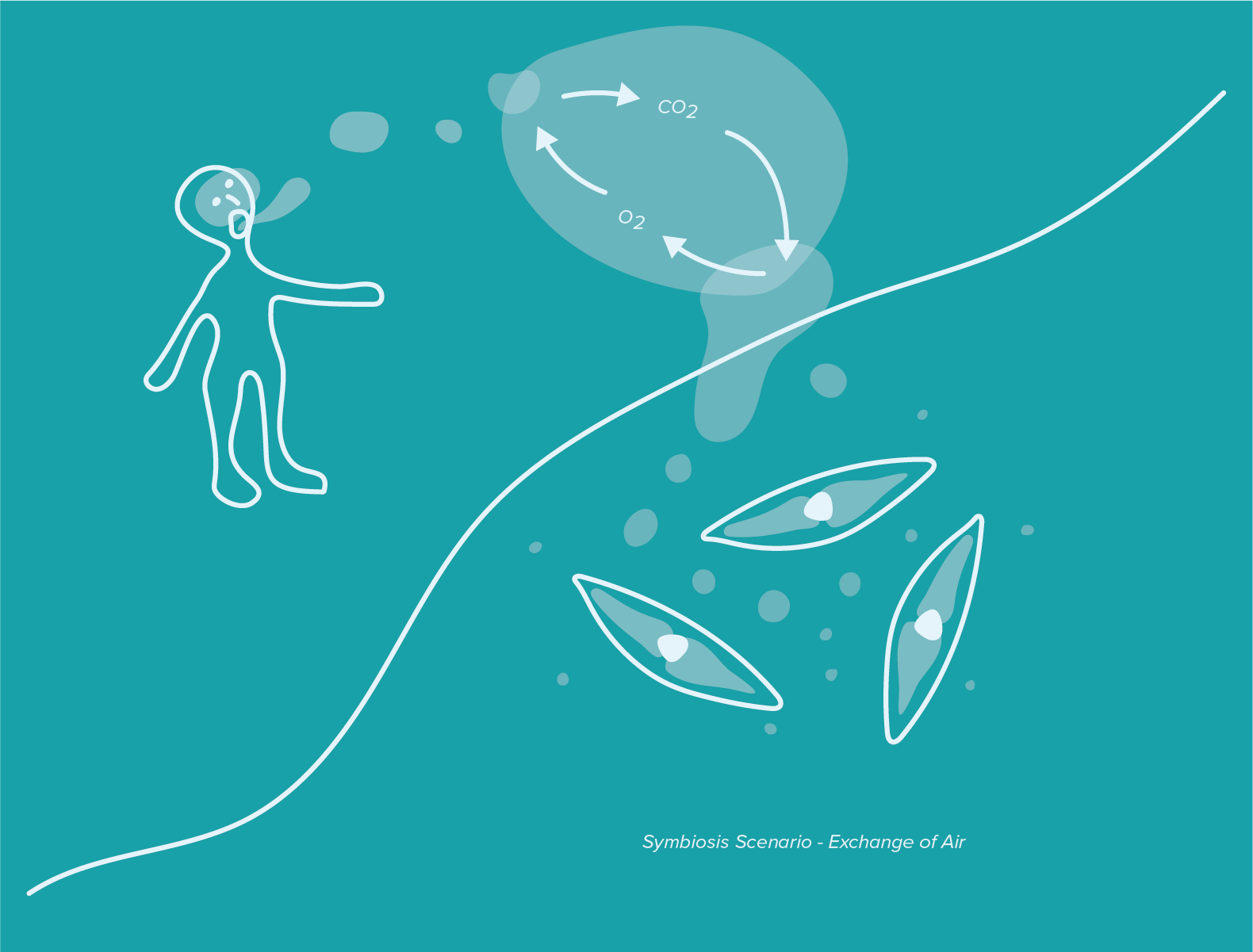
Homo sapiens is a land dwelling animal. Our body is not equipped with any organs that would allow underwater breathing. The lungs take the oxygen in, with exchange of CO2. The air we breath in is roughly in the following composition:
And the air we exhale is roughly as following:
We need a good mixture of oxygen and CO2 to make the breathing function normally since a oxygen-rich environment will likely result in overactivity or euphoria. We also need a good source of fresh water. Without water, we will be dehydrated.
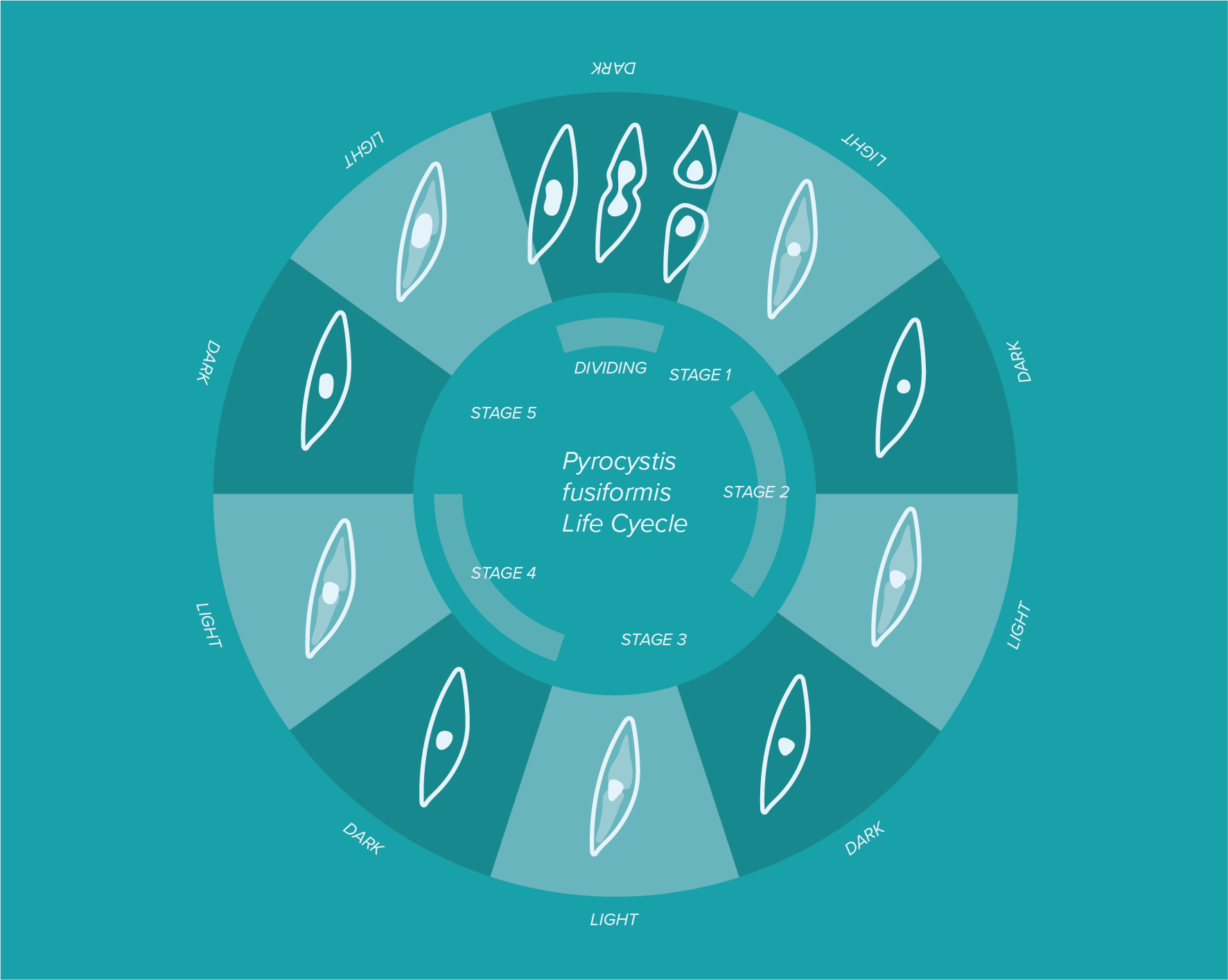
Pyrocystis fusiformis is a single cell marine dinoflagellate which lives in sea water, ideal temperature ranges from 18 - 21 celsius, and salinity between 34 - 36 ppt. They also live in low light areas with a depth between 60m - 100m around the coast.
Encyclopedia of Life - Pyrocystis fusiformis
Will there be a possibility to find the overlap of these two habitats?
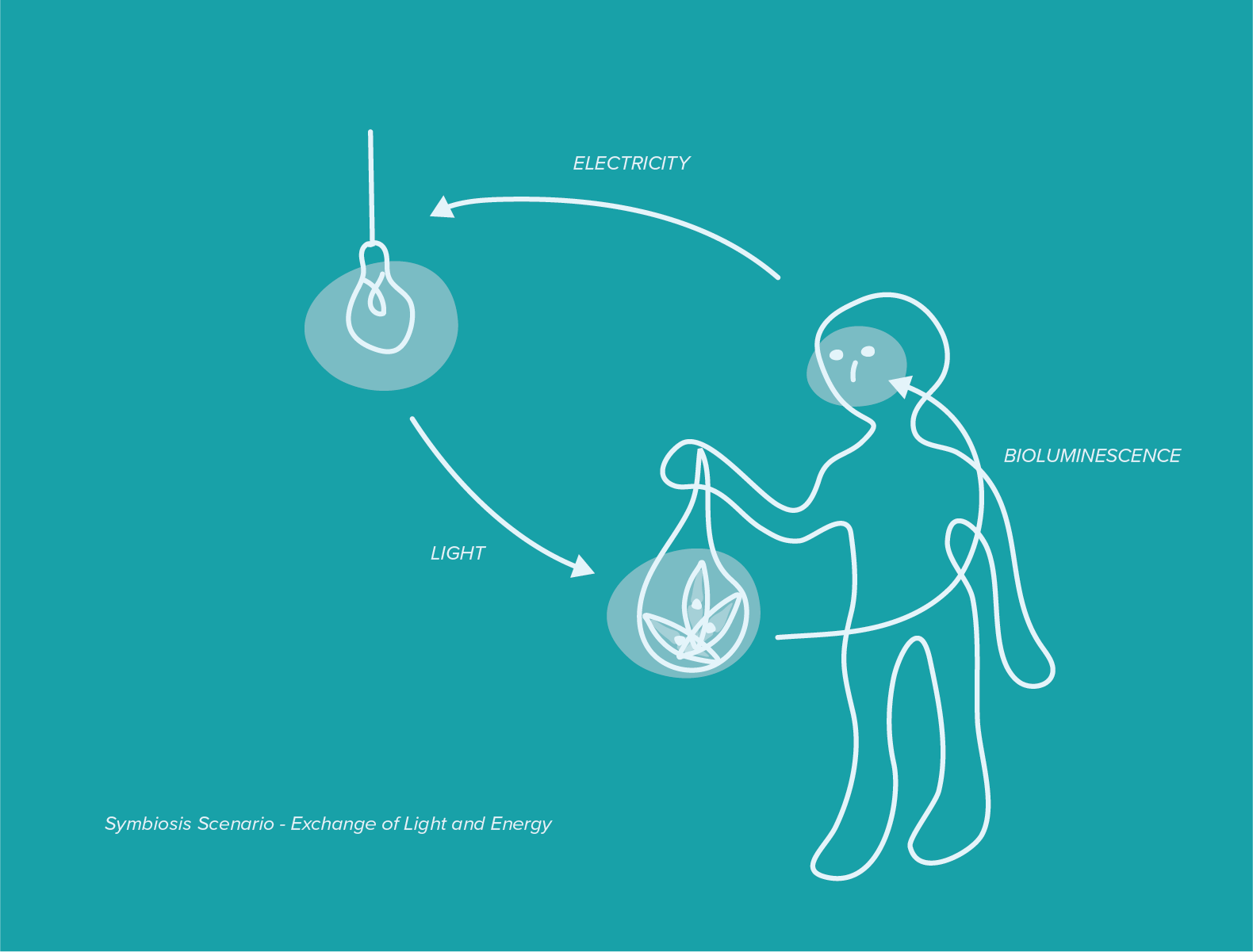
Pyrocystis fusiformis has two ways of getting food - photosynthesis and eating other planktons. To avoid being eating, they are equipped with bioluminescence that triggers when the water pressure changes or when there’s water flows. The bioluminescence is believed attract the predators of their predators. Although the light will expose the single Pyrocystis fusiformis, but it will reduce the chances others gets eaten by also exposing their predators under threat.
Survival strategies of human is rather complicated. Human are social animals that lives in communities. The communities forms a specialised system that some are in charge of producing food, some are in charge of providing safety, some in charge of making usable tools, some in charge of raising the youngsters, and many many more. Human is strong in utilising all the resources available on earth and make use of them. There is no predators known.
A Knight in Shining Armor - Pyrocystis fusiformisLooking at the history of the earth, the environment is a constantly changing place. From a human living in current century, the natural environmental changes includes keywords such as global warming, natural disasters and extreme weathers (typhoon, earthquake, storms, comets, flooding, avalanche…), and the more moderate seasonal changes. Since Homo sapiens live on top of the food chain, we do not have threats like predators or invasive species.
In a historical view at the scale of earth history, there were extreme changes such as the Great Oxygenation Event (details at Wikipedia) which caused the first mass distinction because the creature living back then are mostly anaerobic - meaning they don’t live on oxygen, and oxygen might be toxic to them.
These natural environmental changes are overlapping with artificial environmental changes depends on ‘who you define as a part of the nature’.
The word ‘artificial’ indicates it comes from something man-made, apart from nature. We can see human endeavours in large scales - urban areas, factories, pollutions, etc - as artificial environment changes. The phrase includes both desirable and non-desirable man-made changes of the environment.
Exam the world around you, can you identify which parts are man-made, and which parts also exists when human is absent?
Anthropocene Cartography - Mapping Human Influence on Planet EarthAs living animals, we are like small ordered biological islands that takes energy from the environment that creates disorder. This ‘enclosed’ environment where we can feel most comfortable living in, like a nest, is an adaptation response to the existing environment. Biological living entities always have the ability to change their habitation, may it be towards the good direction or the bad.
Samsara by Director Ron FrickeAs living animals, we are like small ordered biological islands that takes energy from the environment that creates disorder. This ‘enclosed’ environment where we can feel most comfortable living in, like a nest, is an adaptation response to the existing environment. Biological living entities always have the ability to change their habitation, may it be towards the good direction or the bad.
Homo sapiens has the flexibility to utilise technology to adopt to different habitats. Our behaviour also has flexibility to some extend. Perhaps we are familiar with the image of a urban man walking up straight with proper cloths, there are also some communities lives either deep in the forest or on the safari who either climbs a lot or runs fast, or extreme cases of Japanese Otaku that spend more time sitting in front of the computer with bended back and curled legs than standing up straight. There are some Homo sapiens born without limbs who adopt extended body parts made of steel and wheels or prosthetics that allows them to run faster than human with four limbs.
If we put our habitats towards ocean, what will bring advantages for human?
Human and algae already has a certain degree of co-dependence. We might depend on them more than they depend on us since dinoflagellate and diatoms produce majority of oxygen on earth which is something we cannot live without.
What if we try to have a deeper bound with these algae?
There are several interesting characteristics of dinoflagellates. They are single cell creatures and they live as colonies. The bioluminescence they produce expose the cell itself in danger, but decrease the overall risk for the others which ensures the survival of the whole species instead of one.
Draw a human with a body part extended by algae. And ask your friend to describe the image you just drew.
What we care affects our relationship with the environment. If we build up a tighter bond with the algae, since they live in the sea we might consider the ocean as a habitats for us instead of somewhere foreign. Or perhaps we will see the ocean as not just a place full of resources, but a place to manage and maintain.
If the algae become a part of us, how do we define life and death? If a colony we live close with collapsed while it has it’s own specialties then do we feel like we have lost a limb?
Or perhaps if we have adopt to the colony-philosophy of the algae then do the ‘I’ also die when losing its members? Or do the ‘I’ never die because ‘I’ is a group of growing colony of Homo sapiens?
In order to anticipate a change of future, the choice of perspective is important. A perspective reflects the structure of the new universe. In the co-existance with algae we must ask where our perspective stands?
Donna Haraway - Staying with the Trouble, Chapter 7"The first and most important thing at risk in Despret’s practice is an approach that assumes that beings have pre-established natures and abilities that are simply put into play in an encounter. Rather, Despret’s sort of politeness does the energetic work of holding open the possibility that surprises are in store, that something interesting is about to happen, but only if one cultivates the virtue of letting those one visits intra-actively shape what occurs. They are not who/what we expected to visit, and we are not who/what were anticipated either. Visiting is a subject- and object-making dance, and the choreographer is a trickster. Asking questions comes to mean both asking what another finds intriguing and also how learning to engage that changes everybody in unforeseeable ways. Good questions come only to a polite inquirer, especially a polite inquirer provoked by a singing blackbird. With good questions, even or especially mistakes and misunderstandings can become interesting. This is not so much a question of manners, but of epistemology and ontology, and of method alert to off-the-beaten-path practices. At the least, this sort of politeness is not what Miss Manners purveys in her advice column."
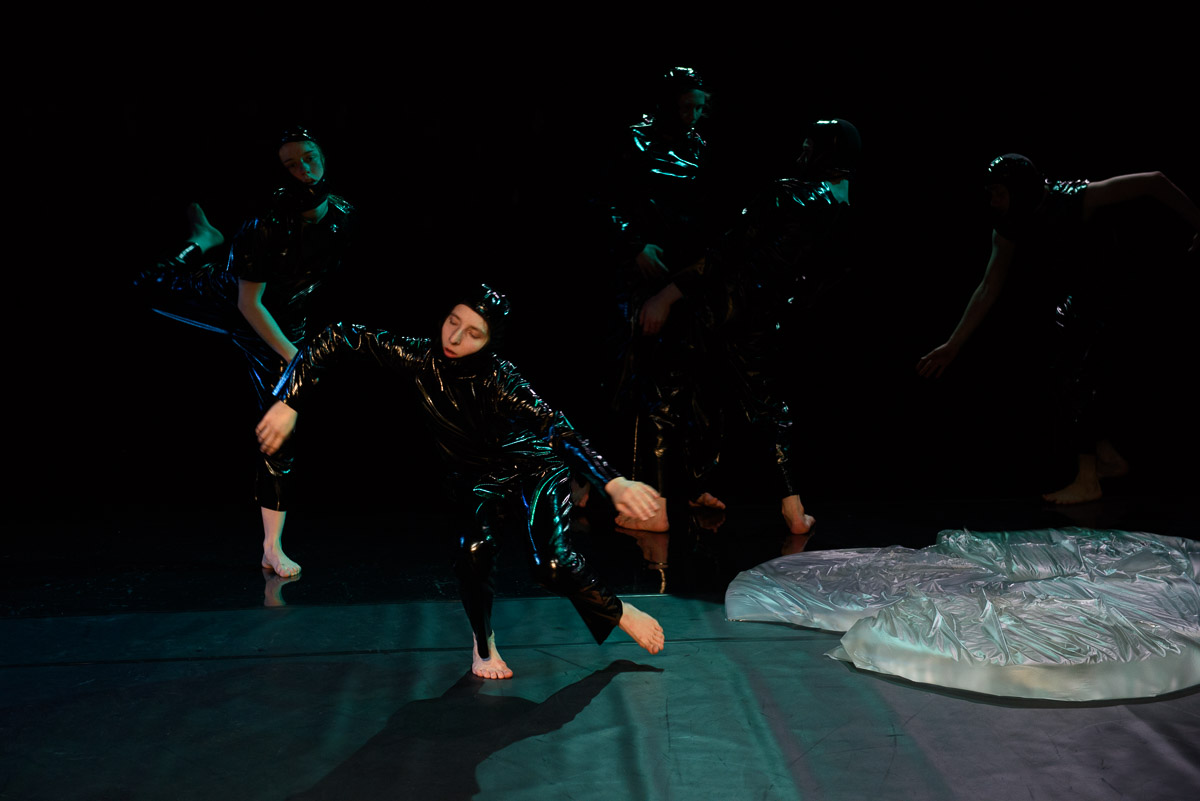
Perhaps we will live in water sometimes? Perhaps our touch will become gentle to the algae? Perhaps our movements will become the facilitator for algae? Maybe our spine will move like amphibians and slide like a fish.